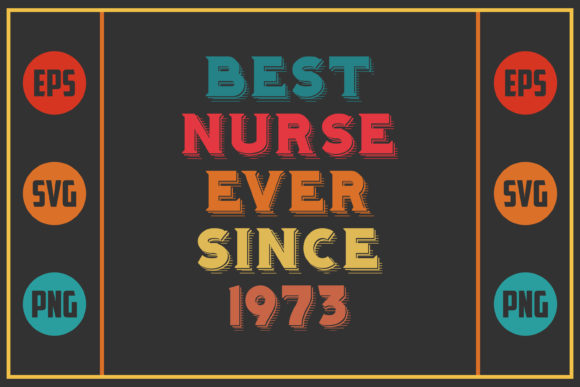
Reviewing the Best Nurse Ever Since 1973 Design for Embroidery
As a designer who spends half my life digitizing and the other half stitching, I have learned that not every graphic translates well to thread. When I first encountered the Best Nurse Ever Since 1973 design, my immediate reaction was one of cautious optimism. The phrase carries weight; it implies longevity, dedication, and a specific generation of healthcare heroes. But as an embroidery product reviewer, I do not care about sentiment alone. I care about stitch path, density, and how the final finished product holds up after a wash cycle. This evaluation looks at this specific digital asset through the lens of practical application for crafters, Etsy sellers, and apparel decorators.
First Impressions and Visual Personality
The mood of this design is inherently celebratory yet professional. It is not just a generic medical cross or a stethoscope clip art; it is a personalized statement. For those working in Crafts and digital Graphics, the layout likely balances bold typography with thematic icons. In a real-world scenario, I imagine this being used for a milestone retirement gift or a decades-long service recognition. The visual personality feels established and trustworthy. However, because this purchase includes an SVG file intended for cutting machines like Cricut Explore or Silhouette, we must bridge the gap between vector lines and embroidered stitches. The clean lines of the SVG suggest that if digitized correctly, or if used as a template for manual digitizing, the result should be crisp. The challenge lies in maintaining that clarity when converting those sharp vector edges into the soft, textured reality of thread.
Real-World Application Scenarios
Let us move beyond the screen and into the hoop. Where does Best Nurse Ever Since 1973 truly shine? I recently considered this for a custom order involving a high-quality canvas tote bag. Tote bags are a staple for Etsy sellers and small shop products because they offer a large, flat surface area. On a sturdy cotton canvas, the design can breathe. The text has room to expand without crowding, allowing the stitch density to remain moderate. This prevents the fabric from puckering, a common issue when too many stitches are packed into a small area.
Another strong candidate is sweatshirt embroidery. A crewneck sweatshirt provides a thick, stable base that handles heavier stitch counts well. Imagine this design placed on the left chest or centered across the back. For a nurse celebrating fifty years in the field, this becomes a heirloom piece. It transforms a standard garment into a personalized gift that carries emotional value. The contrast of bright medical blue or white thread against a navy or charcoal sweatshirt creates high visibility, ensuring the message is readable from a distance. This is crucial for commercial embroidery projects where brand recognition or personal pride is the goal.
However, we must also consider baby embroidery or smaller items. While the sentiment might appeal to a grandmother who is a nurse, scaling this design down for a onesie or a small bib is risky. The year "1973" and the word "Since" require fine detail. If scaled too small, these elements may merge into a blob of thread, losing their legibility. For handmade product creators, knowing when to say no to a small hoop size is just as important as knowing when to say yes.
Navigating Technical Challenges
Every embroidery project has its pitfalls. With a text-heavy design like this, the primary concern is stitch stability on difficult fabrics. If you are attempting this on a stretchy jersey knit for a t-shirt, you must use a cut-away stabilizer. A tear-away stabilizer might not provide enough support, leading to distorted lettering after the hoop is removed. Furthermore, textured fabrics like terry cloth towels can swallow small details. If you are creating a holiday embroidery gift on a plush towel, consider using an applique technique. By placing a piece of fabric under the text and stitching over it, you reduce the number of penetrations into the towel pile, keeping the design flat and readable.
Dark fabrics present another hurdle. If you are stitching white thread on black fabric, you need to ensure your digitizing includes proper underlay stitches. Without a solid foundation, the top threads may sink into the fabric weave, making the text look gray and muddy. Always test your thread colors on scrap fabric first. Do not assume that what looks good on your monitor will translate perfectly to the machine. Check the contrast in natural light. For custom apparel, this step separates amateur results from professional quality.
Enhancing Product Value and Brand Consistency
For creative entrepreneurs and digital product sellers, the perceived value of a design is tied to its execution. A poorly stitched Best Nurse Ever Since 1973 can damage your reputation. Conversely, a clean, well-balanced stitch-out builds customer trust. When buyers see consistent tension and no loose jumps, they perceive the item as high-quality. This is essential for boutique branding. If you are selling this as part of a collection for healthcare workers, ensure that the font style matches your other designs. Consistency in your design assets helps customers recognize your work instantly.
Moreover, this design fits well into the niche of embroidered patch creation. Patches are versatile; they can be ironed onto jackets, bags, or hats. Creating a satinated border around the text can give it a finished, badge-like appearance. This adds durability and makes the item feel more like an official commendation than a casual decoration. For craft business owners, offering patches allows customers to customize their own gear, increasing the utility of your product.
Practical Designer Notes for Success
Before you load this file into your machine or send it to a client, keep these practical tips in mind. First, verify the file format compatibility. The product description states you receive a ZIP file with one SVG. This is primarily a vector graphic for cutting machines. If you are using an embroidery machine, you will need to digitize this SVG yourself or convert it using specialized software. Do not assume an SVG is ready-to-stitch. Check your machine’s manual for supported formats like PES, DST, or JEF.
- Test on Scrap Fabric: Always run a test stitch-out on the same type of fabric you intend to use for the final product. This reveals issues with tension and density.
- Check Stitch Density: Text designs can become dense quickly. Ensure your digitizing software is set to an appropriate density to prevent fabric distortion.
- Confirm Hoop Size: Measure the design dimensions. Ensure it fits comfortably within your hoop with adequate margin for clamping.
- Inspect Small Details: Zoom in on the digits "1973". Are the connections between letters secure? Tiny bridges can break easily during washing.
- Use Proper Stabilizer: Match the stabilizer to the fabric. Cut-away for knits, tear-away for wovens, and water-soluble for delicate or textured materials.
- Verify Licensing: Since this is a digital download, confirm the license terms. Can you sell physical items made with this design? Most designers allow commercial use for physical goods but restrict reselling the digital file itself.
In conclusion, Best Nurse Ever Since 1973 is a powerful concept that resonates with a specific demographic. Its success in your embroidery file library depends entirely on your technical execution. By respecting the limitations of the medium and preparing your materials carefully, you can turn this simple graphic into a cherished keepsake. Whether for a tote bag design or a commemorative jacket, the key is precision. Treat every stitch as part of the story, and your customers will feel the difference.