Nurse Design: A Practical Review for Embroidery Projects
As an experienced designer who has spent countless hours hooping, stitching, and troubleshooting, I approach every new machine embroidery design with a critical eye. It is not just about whether a graphic looks cute on a screen; it is about how it translates to thread, how it behaves on fabric, and whether it holds up in the real world of custom apparel and handmade goods. Today, I am taking a close look at Nurse Design, a digital asset that promises to capture the humor and heart of the nursing profession. This review is written for fellow embroidery designers, Etsy sellers, and crafters who need honest insight before committing this file to their next project.
First Impressions and Visual Personality
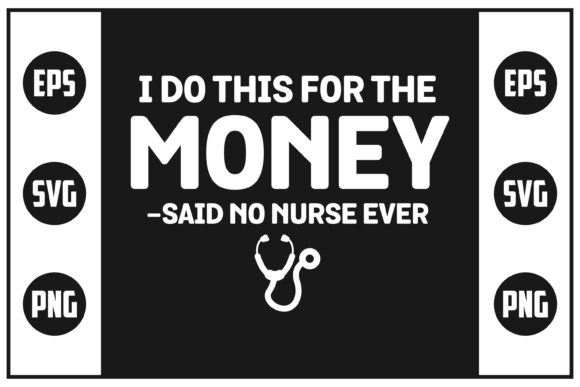
The phrase "I Do This For The Money Said No Nurse Ever" immediately sets a tone of witty authenticity. In the crowded market of medical-themed Graphics and Crafts, authenticity sells. Nurses are tired of generic, overly sentimental clichés. They appreciate humor that acknowledges the grit and grace of their daily reality. Visually, this design relies heavily on typography and layout rather than complex pictorial elements. This is a double-edged sword in embroidery. Text-based designs require impeccable spacing and font weight to remain legible after stitching. My first impression is that the layout feels balanced, but the success of this piece will depend entirely on execution.
When evaluating a design like this, I look for visual personality. Does it feel mass-produced, or does it have character? This particular arrangement suggests a modern, clean aesthetic that would pair well with contemporary scrubs or casual wear. It does not scream "hospital gift shop." Instead, it feels like something a nurse would proudly wear off-duty, which expands its market potential significantly.
Real-World Application: The Sweatshirt Test
To truly understand the value of an embroidery file, you must imagine it on a specific product. Let us consider a common scenario: a custom order for a head nurse’s retirement gift. I envision this design stitched onto a high-quality, heather grey crewneck sweatshirt. This is a classic personalized gift scenario where durability and presentation matter.
On a sweatshirt, the texture of the fleece provides a forgiving background for stitching. However, the density of the text becomes crucial. If the letters are too thin, they may sink into the pile of the fabric, becoming unreadable from a distance. If they are too dense, the fabric may pucker, ruining the sleek look of the garment. In my mental simulation, this design works best with a moderate fill stitch or a bold satin stitch border around the letters to lift them off the fabric. The humor of the quote lands better when the text is crisp and authoritative, mirroring the professional demeanor of the wearer.
Beyond sweatshirts, consider tote bag design applications. A canvas tote with this embroidery makes for a practical, everyday item for nurses carrying textbooks or shift essentials. The flat surface of a tote allows for larger hoop sizes, ensuring the full quote is visible without cramping. For Etsy sellers, offering this as part of a bundle with matching embroidered patch options could increase average order value.
Technical Considerations and Stitching Challenges
While the concept is strong, the technical execution requires careful planning. One major detail to note from the product description is that this purchase includes one SVG file. This is a vector format primarily used for cutting machines like Cricut or Silhouette. It is vital to clarify that this is not a native embroidery file format like PES, DST, or JEF.
For embroidery designers, this means you cannot simply load this file into your machine. You must use digitizing software to convert the SVG paths into stitch data. This conversion process is where the magic—and the potential pitfalls—lie. You will need to manually assign stitch types, determine stitch density, and set underlay stitches to ensure stability. If you are not a digitizer, you may need to hire one or use auto-digitizing features with caution, as they often produce inefficient stitch paths that can cause thread breaks or bird nests.
Another critical factor is hoop size. The length of the quote suggests that a standard 4x4 inch hoop might be too small unless the font is scaled down significantly, which risks legibility. A 5x7 or 6x10 hoop would likely be more appropriate to maintain the impact of the message. Always check the dimensions of your SVG before beginning the digitizing process to ensure it fits your intended hoop.
Fabric and Material Compatibility
Not all fabrics behave the same way. When using this design on custom apparel made from stretchy performance scrubs, stabilization is non-negotiable. A cut-away stabilizer is recommended to prevent distortion during washing and wear. For woven fabrics like cotton aprons or kitchen towel projects, a tear-away stabilizer might suffice, but testing is essential.
Be cautious with dark fabrics. If the design relies on light-colored thread for contrast, ensure your digitizing includes proper underlay to prevent the dark fabric from showing through the stitches. Conversely, on white lab coats, use high-contrast thread colors to make the text pop. Always test the design on scrap fabric first. Check for thread color contrast, review stitch density, and inspect small details. Testing in black and white mockups can also help you visualize the shape and balance without the distraction of color.
Commercial Viability and Brand Consistency
For small business owners and craft business operators, this design offers versatility. It fits neatly into categories like holiday embroidery gifts for Healthcare Heroes Week or back-to-school items for nursing students. The humor is timeless, meaning it does not rely on trending memes that will date quickly. This longevity adds value to your design assets library.
However, professionalism is key. Ensure that the final finished product reflects quality. Loose threads, puckering, or misaligned text can damage your brand reputation. Customer trust is built on consistency. If you sell this as a premium handmade product, the stitching must be flawless. Consider offering it as part of a curated collection of medical-themed items to strengthen your boutique branding.
Final Verdict and Designer Notes
Nurse Design is a promising asset for those willing to put in the digitizing work. It captures a genuine sentiment that resonates with its target audience. However, because it is provided as an SVG, it requires technical expertise to convert into a usable digital embroidery file.
- Test extensively: Always stitch out on similar fabric to your final product.
- Check licensing: Confirm whether the SVG license allows for commercial use of the resulting embroidered items. Most SVG creators allow this, but always verify.
- Mind the details: Pay attention to letter spacing and stitch direction to ensure clarity.
- Choose the right hoop: Do not cram the design into a hoop that is too small.
In conclusion, this design has strong potential for commercial embroidery projects if handled with care. It is not a plug-and-play solution, but for designers who understand the nuances of stitch formation and fabric behavior, it can be a standout addition to their portfolio. Whether you are creating a baby embroidery item for a nurse’s newborn or a bold statement piece for a seasoned practitioner, the key lies in the quality of your execution. Treat the design with respect, and it will serve your customers well.